
Anúncios
You’ll learn simple food combinations that help your body get more from what you already eat. Nutrient synergy means two or more foods work together to create a bigger effect than when eaten alone. That idea is easy to use in daily life.
Think of small tweaks: a drizzle of olive oil with roasted vegetables helps your body take in fat‑soluble vitamins like A and E. A squeeze of lemon with leafy greens helps plant iron become more available. Yogurt with berries supports gut and brain health through friendly microbes and fiber.
Science backs classic combinations: vitamin D with calcium for strong bones, black pepper’s piperine boosting curcumin, and tomato lycopene absorbing better with oil. Over the next sections, you’ll get fast, friendly tips on when to add fat, acid, or heat so your meals support energy, heart, and gut health without a major diet overhaul.
Master the basics: how food combinations help your body absorb nutrients better
Ancient food wisdom and modern studies agree: simple food combinations can change how your meals fuel you. You don’t need a lab to use this—small shifts at the table make a big difference.
Food synergy explained in plain terms
Food synergy means two or more foods eaten together work better than each alone. For example, vitamin C helps plant iron become easier for your body to use. Healthy fats do the same for fat‑soluble vitamins like A, D, E, and K.
Anúncios
Present-day takeaways from science and tradition
Traditions such as Ayurveda and Traditional Chinese Medicine noticed these effects long ago. Modern research now maps the way the gut and digestion break food into usable parts.
- Most uptake happens in the small intestine with help from enzymes, acid, and bile.
- Combine tomatoes with oil or turmeric with black pepper to boost benefit.
- Stress, fast eating, and inflammatory foods can slow digestion and reduce benefit.
Quick tip: eat slowly and add a little fat or citrus when foods are best eaten together to make vitamins and other nutrients easier to use.
Nutrient absorption pairing
Small tweaks at the plate can make big differences in how your meals work for you.
Anúncios
Vitamin C + plant iron for steady energy
Add citrus, bell peppers, or leafy greens to beans or spinach. Vitamin C converts plant iron into a form your body uses more easily. This supports energy and lowers anemia risk.
Healthy fats help fat‑soluble vitamins
Drizzle olive oil or add avocado and nuts when you eat colorful vegetables. A bit of fat helps your body take up vitamins A, D, E, and K from food.
Other smart combinations
- Mix vitamin D sources like salmon or fortified dairy with calcium‑rich greens and include magnesium from seeds.
- Season turmeric dishes with black pepper to boost curcumin’s effect.
- Sauté tomatoes in oil to increase lycopene and support heart‑focused meals.
- Top yogurt with berries so probiotics and prebiotic fibers work together for gut and brain support.
Turn pairings into plates: simple ways to build meals and snacks
Turn simple combos into easy plates that work for your day-to-day meals. Below are quick templates you can use all week to boost flavor and health without fuss.
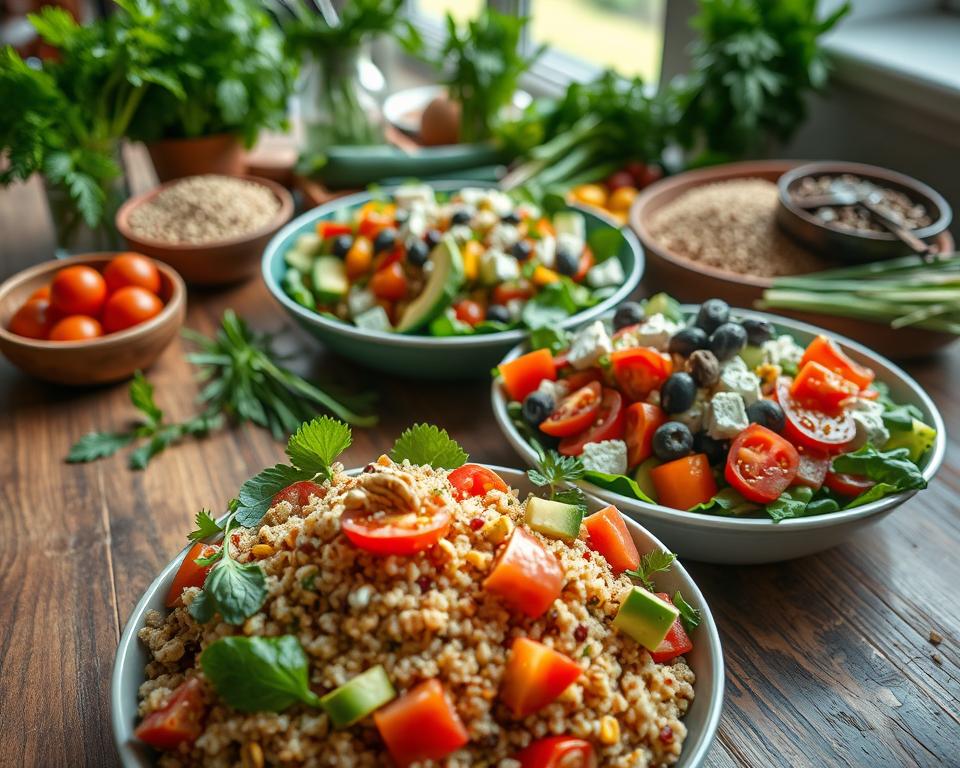
Supercharged salads
Build a salad with leafy greens and bell peppers, then add avocado or a drizzle of olive oil so your body gets more from the vegetables.
Toss in nuts and seeds for crunch, magnesium, and protein. Add beans or lentils to raise fiber and make the meal more filling.
Energy bowls and breakfasts
Start with yogurt and berries for probiotics plus prebiotic fibers. Top with walnuts and chia for omega-3s and a satisfying texture.
Or keep it warm: oatmeal with citrus and seeds gives a gentle vitamin boost and steady energy.
Warm dishes
Serve salmon or tuna with broccoli, bok choy, or collards to match vitamin D with calcium-rich vegetables for bone support.
Cook lentils with spinach and finish with lemon to brighten flavor and help plant iron be more usable.
Smart add-ons
- Squeeze of citrus to lift flavors and help plant iron.
- Drizzle of olive oil to absorb carotenoids and fat-soluble vitamins.
- Pinch of black pepper with turmeric to unlock curcumin’s benefits.
Quick resource: try these ideas alongside other smart food tips to make meal planning easier.
Target your goals: pairings for heart, bones, and brain
Focus your plate around one goal—heart, bones, or brain—and build from there with easy swaps. Choose foods that work together so meals support the health outcome you want.
Heart support on a salad
Make a salad of varied vegetables rich in vitamins K, E, and carotenoids. Finish with a drizzle of olive oil or avocado oil so antioxidants and fat‑soluble vitamins are easier for your body to use.
Add beans or lentils for protein, magnesium, and fiber to help healthy levels related to cardiovascular health.
Build stronger bones
Pair vitamin D foods—salmon, tuna, egg yolks, or fortified yogurt—with calcium‑rich greens like kale, broccoli, bok choy, or dairy. Include magnesium from almonds, chia, or pumpkin seeds to help vitamin D do its job.
Small habit: a few prunes with yogurt or oatmeal may help preserve hip bone mineral levels over time.
Brain and steady energy
Yogurt with berries gives probiotics and prebiotic fiber for gut health plus quick energy. Combine iron sources such as lentils or spinach with citrus or bell peppers to aid iron absorption and support cognitive function.
“Targeted food combinations make it easy to meet specific goals without a major meal overhaul.”
- Heart: vegetables + olive oil + beans
- Bones: vitamin D foods + calcium greens + magnesium from nuts
- Brain: yogurt + fruits + iron + vitamin C
Make it work in real life: timing, portions, and kitchen tips
What you do with oil, heat, and a squeeze of lemon can change how your body uses what you eat. These are small, practical moves you can add to a busy meal routine.
When to add fat, acid, and heat: add a small amount of oil when serving vegetables or tomato dishes to boost uptake of fat‑soluble antioxidants and vitamins. Use moderate heat with oil to unlock lycopene in tomatoes. Finish with acid—like a lemon squeeze—to protect vitamin C and brighten flavor.
- Grind black pepper over turmeric dishes at the end to help your body absorb more curcumin.
- Keep cooking mild so delicate compounds stay intact; finish with acid or fresh herbs.
- Remember most absorption happens in the small intestine, so slow down and chew well to help digestion.
Portion cues to steady blood levels: aim for a palm of protein, a thumb of fat, and a fist or more of fiber‑rich vegetables at each meal. This balance helps steady blood sugar and keeps energy even through the day.
Give your body time by pacing bites and sipping water between courses. Combine these simple kitchen moves and portion cues to make nutrient absorption part of your everyday way of cooking and eating.
Troubleshooting absorption and gut health
Everyday stressors and rushed meals can quietly slow how your body uses food. Absorption happens mainly in the small intestine, so anything that disturbs digestion can reduce how you absorb nutrients and leave you feeling tired or bloated.
Common blockers include chronic stress, fast eating, dehydration or too much fluid with meals, inflammatory diets, aging, and food intolerances. Signs of trouble are indigestion, gas, loose stools, or slow recovery of skin and hair health.
Supportive habits help your gut recover. Chew slowly and let saliva start digestion. Manage stress with short breathing breaks. Stay hydrated but avoid gulping large amounts during a meal.
- Add a daily serving of yogurt for probiotics and pair with protein and fiber to steady appetite and gut health.
- Consider digestive enzymes with meals if a clinician recommends them, matching enzymes to the foods you struggle with.
- Season turmeric dishes with black pepper to help your body absorb more curcumin, and eat vitamin C‑rich foods with iron sources to support healthy blood levels.
“If symptoms persist or you suspect malabsorption, seek testing and clinical guidance to find the root cause.”
Conclusion
Small kitchen swaps help your meals work harder for your health. Use olive oil on vegetables, squeeze citrus on spinach and bell peppers, and add a pinch of black pepper to turmeric dishes.
Keep staples like yogurt, fruits, nuts, and olive oil on hand so you can lift any meal without a big change to your diet. Aim for plates that mix vegetables, protein, and healthy fats for steady energy and better vitamin use.
, choose one or two combinations this week, repeat them, and let simple habits—chewing slowly, pacing meals, and managing stress—support your gut and overall energy. You now have a practical roadmap to make everyday foods work smarter for your life.