Duyurular
You deserve a clear roadmap to the features that help you live safer and with more ease. This guide shows how practical systems—like emergency-contact wearables and sensors—can spot risks, alert caregivers, and reach responders fast. The Centers for Disease Control and Prevention notes that more than one in four adults 65+ fall each year, and the US Fire Administration reports higher fire mortality for this group.
We explain how simple automations and voice-enabled services reduce risks such as falls and fire while improving daily comfort. You’ll see device picks like the Apple Watch SE for fall detection and Alexa Emergency Assist for fast help.
Expect practical, no-nonsense advice: what to buy first, what to skip, and how to match platforms so setup feels easy. By the end, you’ll have a plan that fits your care needs, budget, and desire for better quality of life at home.
Why this product roundup matters for your healthy home right now
Small upgrades can make a big difference. Today’s devices and services reduce everyday risk and make daily routines easier without a full renovation. You can add video visits, continuous vital tracking, and remote alerts so care is faster and less disruptive.
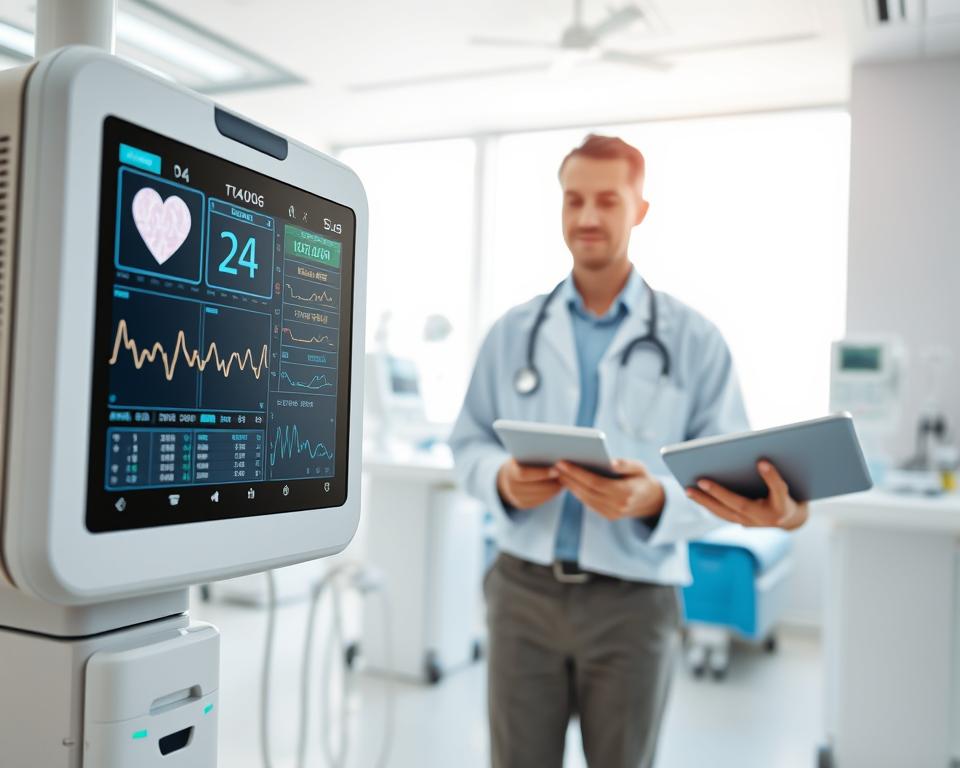
Telehealth and remote monitoring cut travel and give faster intervention for chronic conditions. Wearables and sensors detect falls, track activity, and notify caregivers in real time.
Duyurular
Voice assistants simplify tasks and access to help. That lowers friction for people managing meds or mobility limits. The roundup points you to devices and systems that deliver real value for safety and convenience.
- Get started with communication, medication, and emergency access.
- Layer solutions over time to match changing needs.
- Watch for learning curves and subscription costs before you buy.
Sonuç olarak: If you’re aging in place or caring from afar, the right setup helps you stay connected, independent, and ready for what comes next—without unnecessary complexity.
How smart home ecosystems fit your life (Alexa, Google Home, Apple Home)
Pick an ecosystem that fits how you live, so voice control and automations feel natural each day. Your choice affects which devices you can add, which apps you use, and how reliable routines will be.
Duyurular
Choosing the right voice assistant for voice commands and control
Start with your habits. Alexa offers broad device support and flexible voice commands. Google Home works best if you use Gmail, Calendar, and Google services. Apple Home favors privacy and integrates cleanly with iPad and Siri.
Uç: If you rely on voice often, test wake-word accuracy and consider a display device for visual confirmations and medication reminders.
Compatibility check: Matter, Wi‑Fi, Zigbee, and app ecosystems
Look for Matter support to future-proof your system. Use Zigbee or Z-Wave for low-power sensors and Wi‑Fi for cameras or displays that need bandwidth.
- Zigbee hubs like Aqara can connect up to 128 sensors and help where Wi‑Fi has dead zones.
- Apps that give a single control view make routines easier to manage.
- Blend systems if needed — run Apple Home for locks and privacy, and use Alexa displays for drop-in calls.
Want a deeper comparison? See this smart assistant comparison to help finalize your pick.
Emergency access and alerts you can count on
When seconds matter, combine on-body detection with room-based voice access so help reaches you fast. Use a wearable that you’ll wear daily and a voice device placed where you spend the most time.
Wearable emergency-contact picks: Apple Watch SE and when to go cellular
The Apple Watch SE (2nd gen) detects falls, car crashes, and some cardiac events. It can share medical info with responders and trigger monitoring apps like FallCall.
Uç: choose the cellular model if you need calling away from your iPhone or when Wi‑Fi is spotty. Set up Medical ID and emergency contacts so responders see vital details and your watch can contact emergency services.
Hands-free help: Alexa Emergency Assist on Amazon Echo devices
Alexa Emergency Assist connects to live operators and can notify up to 25 contacts for about $6/month. It also listens for smoke/CO alarm sounds and supports Drop In for quick check-ins.
Aging in place safety: falls, fire risk, and contacting emergency services
- Wear a watch and place Echo speakers where your voice carries.
- Practice phrases and test call flows so caregivers know the plan.
- Keep chargers at the bedside and bathroom so your device is ready when it counts.
Combine these devices to protect a loved one and keep daily care manageable and reliable.
Stay connected with smart displays and tablets for care and communication
Small displays and tablets make calls, reminders, and telehealth feel effortless. Put a dedicated screen where you spend time and make communication part of your routine.
Amazon Echo Show 8 (3rd Gen) pairs great sound with a 13 MP face‑tracking camera for clear video calls. Use Drop In for instant two‑way chats and set medication reminders that show on screen.
Amazon Echo Show 8: Drop In, video calls, and medication reminders
The Echo Show is ideal for hands‑free calls and quick check‑ins. Its Show and Tell feature also helps users with low vision identify pantry items with the camera.
Apple iPad: Siri control, larger screen telehealth, and app hub
An iPad gives you a bigger view for telehealth visits, lab results, and care apps. Many people find the touchscreen easier than a laptop for tapping controls and joining video visits.
- Use Echo Show 8 for effortless communication, Drop In, and clear reminders for meds and appointments.
- Choose iPad when a larger screen helps with telehealth and running multiple apps from one place.
- If voice commands are easier, use Alexa or Siri to “call my daughter,” “show the front door,” or “set a medication reminder.”
- Place displays in social spaces so reminders and calls happen naturally. Use Do Not Disturb and camera shutters for privacy.
Uç: Friends without Echo devices can still join calls via the Alexa app, keeping caregivers connected and your plan simple.
Wearable health tech to track vital signs and daily activity
Wearable trackers give you a continuous window into daily signs that matter for safer, more informed care. Wearing a reliable device makes it easier to spot trends in heart rate, sleep, and daily activity without extra appointments.
Heart rate, ECG, and sleep: what data actually helps your care
Focus on features you’ll use every day: accurate heart rate, clear alerts, and a band you forget you’re wearing. The Apple Watch SE offers fall and crash detection plus basic heart features. If you need more advanced metrics or sleep apnea indicators, a Series 10 adds validated sensors.
- Shareable reports: pick devices with apps that create plain-language summaries your clinician can review.
- Trend over time: sleep and activity summaries matter more than single readings for true insight.
- Consistency wins: comfortable wear and simple charging habits keep your vital signs data complete and useful.
Uç: Look for irregular rhythm alerts or ECG options if you have heart concerns, and confirm device compatibility with your phone and clinic apps so data flows where it helps most.
Smart home health tech
A clear toolkit of devices, systems, and apps helps you keep daily routines steady and your family informed.
Core categories: devices, systems, and apps that strengthen daily wellness
Start with the items that fix your biggest day-to-day problems: emergency-contact wearables, a display for calls, and contact sensors for doors and leaks. These devices solve missed calls, medication timing, and door security first.
- Emergency access: wearables that call for help and share location.
- Communication hubs: displays and tablets for video visits and reminders.
- Discreet sensors and locks: contact and leak sensors plus locks that report status to your app.
- Cameras: front-door and indoor models that offer local storage and privacy controls.
- Compatibility: mix systems and smart devices when needed, but confirm apps and integrations first (for example, Google Home support).
Uç: Prioritize technologies with clear alerts and stable connectivity. Keep your phone or tablet as a single control surface so care updates and automations are easy to manage across the home.
Discrete monitoring with sensors that support independence
Discrete sensors quietly monitor daily routines so you can catch small issues before they grow. They work in the background to protect your space and give timely alerts without extra fuss.
Contact sensors: Aqara Door and Window for routines and safety checks
The Aqara Door and Window sensors use Zigbee and pair with an Aqara Hub that supports up to 128 sensors. They work with Amazon Alexa, Apple Home, Google Home, IFTTT, Matter, and SmartThings.
Use them to build gentle routines:
- Place sensors on exterior doors, fridges, and medicine cabinets to check activity for a loved one.
- Set an announcement like “Back door is open” and have lights come on for safer nighttime movement.
- Zigbee connectivity keeps sensors responsive where Wi‑Fi is weak, improving reliability for critical systems.
Water-leak protection: YoLink alerts, siren levels, and app silencing
The YoLink Water Leak Sensor 4 detects water in under two seconds with top and bottom probes. Its hub sounds an 87 dB siren and sends smartphone alerts if something goes wrong.
Practical controls: you can silence the alarm from the YoLink app, get offline notifications, and tie events to other apps or services for fast action.
- Add YoLink sensors near the water heater, washer, and sinks to stop damage early.
- Create escalation rules: if a door stays open too long, send a phone alert to you or a caregiver.
- Keep spare batteries and check sensor health in the app monthly to maintain dependable protection.
Secure access and peace of mind at your door
Secure locks at your entry point make everyday life calmer and caregiving simpler. The right lock gives you control, clear activity logs, and ways to grant access without changing physical keys.
Schlage Encode: simple setup and reliable remote control
The Schlage Encode Smart WiFi Deadbolt supports remote lock/unlock, auto-lock, and activity notifications. It installs like a standard deadbolt and connects directly to your Wi‑Fi for remote control and alerts.
Why pick it: choose Schlage Encode for straightforward setup, strong security, and remote lock control—perfect for letting in a caregiver or services provider without extra keys.
Aqara U100: Apple-friendly with fingerprint and HomeKey
The Aqara U100 adds a fingerprint reader, keypad, and Apple HomeKey support. It also works with Amazon Alexa, Google Home, and Matter for broader platform control.
Why pick it: if you’re deep in the Apple ecosystem, the U100’s fingerprint access and HomeKey make entry fast and easy. No more fumbling for keys or phones.
- Auto-lock: reduces “Did I lock the door?” moments and supports safer routines at common times like bedtime.
- App alerts: see who locked or unlocked the door for gentle oversight while preserving independence for aging in place.
- Guest codes: create and revoke temporary access for visitors without rekeying the lock.
- Platform scenes: integrate with Google Home or your chosen system so a “Goodnight” scene locks doors and turns off lights.
- Caregiver convenience: remote control and notifications simplify coordination and cut unnecessary trips.
- Maintenance tip: check door alignment and replace weak batteries proactively to keep performance reliable.
Small changes at the entry point ease daily routines and add a layer of safety for you and the people who help.
Cameras and caregiving: seeing what matters without compromising dignity
A well-placed camera helps you check on daily needs while protecting your loved one’s privacy. Use cameras to reduce trips to the door, confirm deliveries, and spot hazards without watching private moments.
Front door awareness: Google Nest Doorbell features and current model note
The Google Nest Doorbell (Wired, 2nd Gen) gave fast, accurate alerts for a person, animals, cars, and packages. It included free three-hour event storage. Google now markets the Wired, 3rd Gen as the current model.
Uç: paid Google Home Premium adds longer storage or 24/7 recording if you need continuous coverage rather than short clips.
Indoor options: TP-Link Tapo C120 versus HomeKit alternatives
The TP‑Link Tapo C120 balances price and features. It offers person, pet, vehicle, and motion detection with local microSD storage. Optional cloud plans (Tapo Care) start at about $3.50/month per camera.
Apple-first homes can pick the Eufy Indoor Cam C120 with HomeKit Secure Video for encrypted, iCloud-integrated storage and tighter privacy controls.
- Use a front door camera to screen visitors and accept deliveries safely when mobility is limited.
- Choose recording options that match your needs—short clips or continuous recording via paid services.
- Limit indoor views to common areas and enable privacy modes to support dignity.
- Agree with your loved one on placement, viewing rules, and how long you keep footage.
- Integrate alerts into routines—lights on at night for safer movement when motion triggers a camera.
Medication management, reminders, and adherence made simple
Missed doses add up—so build a clear system that fits your day. Use straightforward tools that track schedules, scan labels, and share logs with providers to cut errors.
Apps, voice prompts, and smart routines to prevent missed doses
Başlangıç with a simple medication app to schedule doses, set refill alerts, and send adherence reports to your care team. Scan labels to speed setup and reduce manual entry.
Use an Echo Show or Siri on your device to announce dose times and log when you take meds. Place reminders where you’ll see and hear them most in your home.
- For complex regimens, consider an automated dispenser that releases doses and notifies a caregiver if missed.
- Pair meds with routines—breakfast, bedtime—to make adherence reliable over the years.
- Create phone or watch backups for critical meds and keep a printed list for appointments.
- Store medicines out of reach of kids and pets; use organizers to prevent double-dosing.
If you need extra help, enable caregiver notifications so someone you trust can follow up when a reminder is ignored.
Telehealth, remote monitoring, and AI that bring care home
Remote monitoring turns daily rhythms into data your care team can act on between visits. Video, phone, and secure messaging make routine follow-ups faster and less disruptive to your day.
Virtual visits, wearable data sharing, and proactive alerts
Use telehealth for quick check-ins so you save travel time and keep regular contact with clinicians. Share readings like heart rate, blood pressure, or glucose so trends appear before small problems grow.
- Routine care: use video or phone for follow-ups and simple questions to free up time for complex visits.
- Data sharing: pick devices and systems that integrate with your clinic portal to avoid manual logging and reduce errors.
- AI alerts: tools can flag changes in conditions such as hypertension or diabetes and prompt proactive outreach.
- Consent and control: set sharing preferences you’re comfortable with and review them regularly.
- Telehealth checklist: medication list, recent readings, questions, and new symptoms to make the most of visit time.
For a practical remote care platform that connects devices and clinicians, consider a vetted provider like remote care platform. Combine remote monitoring with in-person visits when hands-on exams are needed to keep your care complete and timely.
Setup, privacy, and budget: building a safer home the right way
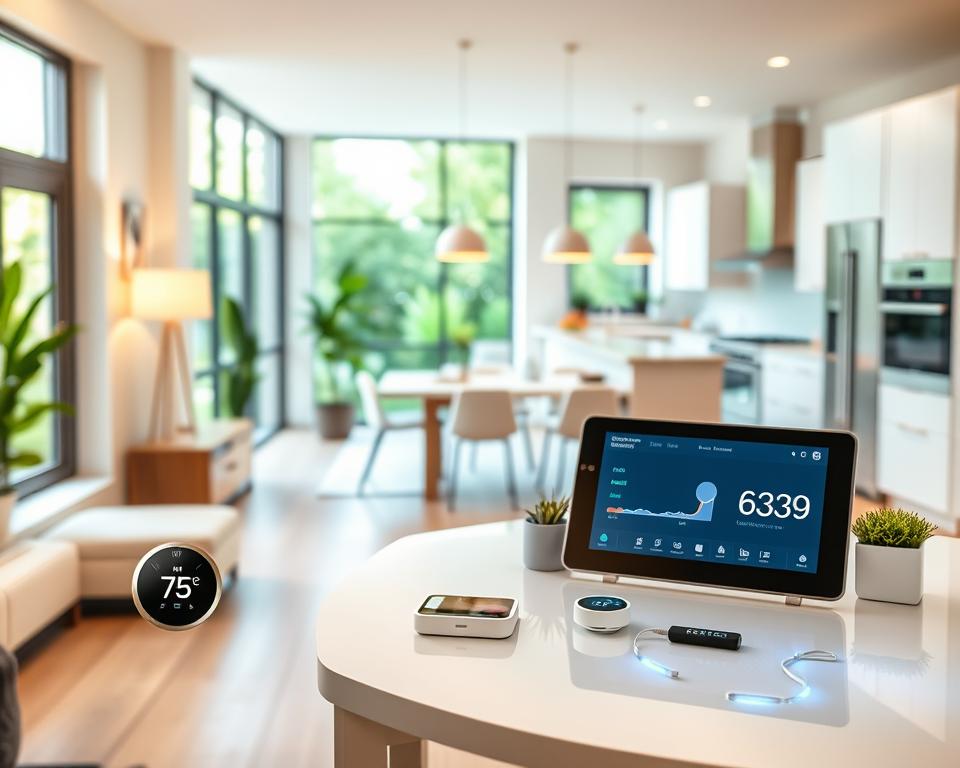
Before you add more devices, plan how data is stored, who can access it, and what subscriptions will cost.
Data security basics: encryption, authentication, and access controls
Start with simple, strong protections. Turn on encryption and use unique passwords for each account. Enable multi-factor authentication everywhere you can.
Limit access with role-based permissions so only trusted people can view cameras, change settings, or unlock doors. Schedule regular firmware updates and security audits to patch vulnerabilities.
Total cost preview: devices, hubs, and subscription services over time
Expect upfront device and hub costs for items like an Aqara or YoLink hub. Add subscription fees for emergency or cloud plans—Alexa Emergency Assist ($6/mo or $59/yr), Google Home Premium ($10–$20/mo), or Tapo Care (from $3.50/mo).
- Plan for years: compare multi-year expenses—local storage can beat per-device clouds.
- Place and signal: put routers and hubs centrally for consistent performance and better control.
- Backup & inventory: document settings and keep a list of devices, support links, and recovery steps.
Çözüm
, End with a short, practical plan you can test in a week. Choose a wearable you will wear, a reliable display for calls, and one device that calls emergency services.
Keep privacy and dignity first. Place cameras and sensors with consent and set clear retention rules. Check passwords and update firmware for safety.
Review annually. Update emergency contacts, test alerts, and tweak routines so the system matches how you live. Small, steady steps bring real gains in comfort and quality of life at home.