广告
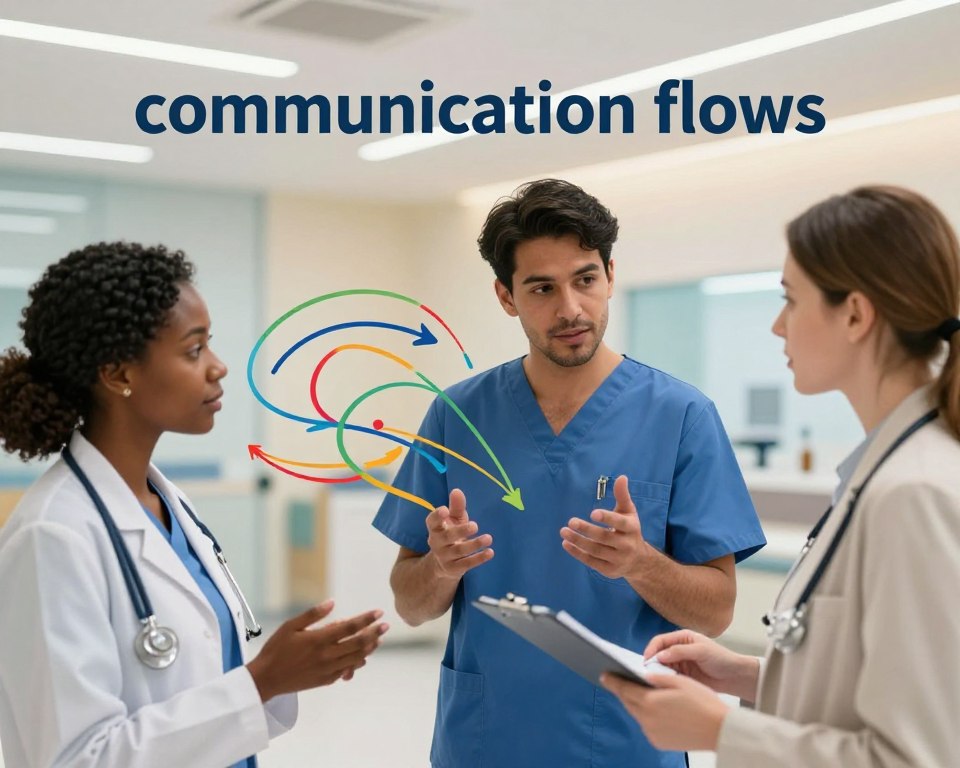
有效沟通 is the most critical skill for care providers. Yet many clinicians report little formal training in this core area.
Rachel Crocker of the Texas Pediatric Society notes that members praised the organization’s training. Their feedback shows that focused resources make a real difference for providers and patients.
Our training modules blend brief video lessons and practical tools so teams can learn while saving time. Each step walks providers through clear ways to share health information and protect patient privacy and data.
The result is stronger trust between the messenger and the person in care. With concise resources and skill-building modules, you gain the confidence to deliver accurate messages to every patient you see.
从小处着手: use one module, practice one tool, and build on that progress to create lasting change in your practice.
广告
The Critical Role of Trusted Health Messaging
National Health Literacy Month in October offers a timely reminder: simple, direct communication improves care. Clinicians and care teams play a central role in turning complex information into clear steps patients can follow.
The Washington State EXCITE team built a toolkit and video modules to help providers gain confidence as a reliable messenger. These resources break tasks into short steps so teams save time while building skills.
重要性: clear communication boosts patient trust and leads to better outcomes. We supply the data and practical resources that make messages stick.
广告
“Establishing trust takes time, but consistent, simple messages help patients follow recommended care plans.”
- Use one module at a time to build skills.
- Follow each step to improve how information reaches patients.
- Leverage the toolkit to make your team more confident and effective.
Start small, measure results, and scale what works.
Essential Communication Skills for Healthcare Providers
When clinicians refine core communication skills, everyday conversations become tools for better care. This section highlights practical steps teams can use now to exchange clear health information and strengthen patient relationships.
Understanding the Trusted Messenger Dynamic
Providers who speak plainly and listen well become natural messengers for patients. Scott Barron, MD, noted that the AIMS 训练 was both helpful and entertaining for his clinical team.
That blend of education and engagement helps members share data and recommendations in ways patients accept.
Overcoming Barriers to Effective Information Exchange
Barriers often come from time limits, complex terms, or hesitant patients. Our video modules offer short, reusable steps to address these problems.
- Use modules to practice one skill per visit and build confidence.
- Apply simple phrasing when discussing sensitive topics like vaccines to reduce resistance.
- Make sure every team member knows one specific step to share accurate information.
“Our training made difficult conversations feel manageable.”
By engaging with these resources, providers learn how to exchange information that respects patients and builds lasting trust.
Strategic Tools for Navigating Difficult Conversations
Difficult conversations become manageable when teams use clear, repeatable techniques. The right approaches let providers respond to resistance with calm and clarity.
AIMS is an evidence-based, four-step framework that helps providers guide complex talks and improve patient outcomes. Each step is short and practical so your team can practice in real time.
Applying Motivational Interviewing Techniques
Motivational interviewing helps clinicians explore a patient’s needs without judgment. Use open questions, reflective listening, and summaries to invite honest answers.
Utilizing Presumptive Recommendations
Presumptive recommendations reduce resistance. Our training modules show how a simple, confident statement about vaccines or care can raise acceptance.
Leveraging Brain-Friendly Messaging
Brain-friendly messages use plain words, short sentences, and clear steps. This makes health information easier to process and remember.
- The AIMS framework guides one short step at a time.
- Modules include video demos so teams save time while learning skills.
- Resources also cover privacy and how to use motivational interviewing in your community.
“Every module helps the care team answer questions with clarity, compassion, and expertise.”
Conclusion: Building Lasting Patient Confidence
When teams apply clear tools every day, patient confidence grows over time. A steady commitment to ongoing 训练 and the regular use of evidence-based 沟通 techniques makes this possible.
Use our training modules to empower your team. They help providers share accurate 数据 and simple steps that improve patient outcomes and strengthen institutional trust.
We also provide resources that protect patient privacy while fostering a culture of clear, compassionate care. Every member benefits from practicing one small tool at a time.
Thank you for your commitment to excellence in care. For tips on building strong rapport with patients, see this guide on how to build rapport with patients.